1.有那些常用日常英语口语
众所周知,对于语言学习而言,语言环境至关重要。
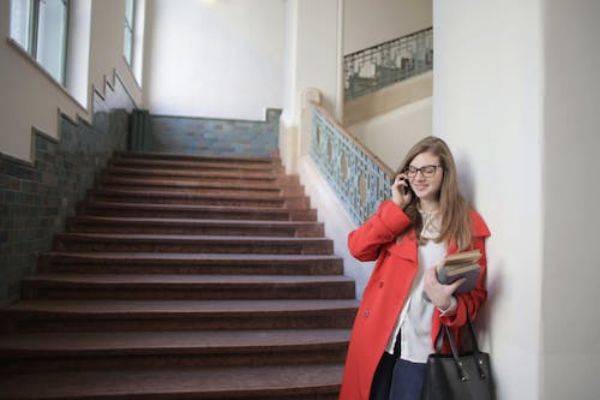
英语学习亦是如此。试想,如果每天你耳边充满了英语交流,眼前充满了外国场景,自然,会让你耳濡目染,慢慢地,自己的英语势必有大幅提高。
学习不是一件轻松的事,学会一门语言并熟练应用就更加难了。对于许多中国人来说,讲一口流利且标准的英语是一件相当困难的事情。
我们常常听人抱怨说学了好多年的英语,可是关键时刻还是开不了口;又或者说想要学好英语,那就只有出国。真的只能这样吗? 马来西亚留学基地发现并成功解决了这个问题。
马来西亚留学基地突破性地采用强大的外教团体和空间环境模拟模式,打造一个梦寐以求的接近真实的国外的语言环境------空间英语,空间英语,又叫街区英语。 指在不同的社交环境下,人与人之间进行普通交流的惯用英语语言。
是由马来西亚阳光留学教育基地教研组,结合长期的社会调研和外国友人的交流习惯整合的一整套空间式英语教学课程。彻底解决阻碍口语学习的时空限制问题。
通过引入全新的互动体验,让越来越多的人能够敢于开口,乐于开口,说出地道的英语。 马来西亚留学基地的空间英语,可以让你全面突破英语口语,掌握地道流利的语音语调,并通过外教进行的口语强化训练后,培养良好的英语语感,不断提升英语口语能力,以及为能运用英语进行无障碍沟通打好坚实的基础。
全英语环境下的衣食住行,国外生活的微型写照,给你提供一个畅所欲言的英语世界。 。
2.导购常用英语有哪些
直接翻译成:sales assistant 就可以了。
抱歉,误会了你题目的问题,导购常用语有: 招呼客人: What can I do for you? May I help you? You need some help? Can I be of help? 推销产品: This product is very good。 It has three feathers, namely, 。
I think this dress suit you very much。 You look so young in this blue skirt。
Here is our latest 。 。
Would you like to have a try? 表示谢意: Thank you very much for ing to our store。 I'm so glad that you like it。
Please e again, any time。 It's so kind of you to buy our products。
以上例子,仅供参考。 。
3.高中英语必备句型
一、~~~ the + ~ est + 名词 + (that) + 主词 + have ever + seen (known/heard/had/read, etc) ~~~ the most + 形容词 + 名词 + (that) + 主词 + have ever + seen (known/heard/had/read, etc) 例句:Helen is the most beautiful girl that I have ever seen. 海伦是我所看过最美丽的女孩. Mr. Chang is the kindest teacher that I have ever had. 张老师是我曾经遇到最仁慈的教师. 二、Nothing is + ~~~ er than to + V Nothing is + more + 形容词 + than to + V 例句:Nothing is more important than to receive education. 没有比接受教育更重要的事. 三、~~ cannot emphasize the importance of ~~~ too much. (再怎么强调。
的重要性也不为过.) 例句:We cannot emphasize the importance of protecting our eyes too much. 我们再怎么强调保护眼睛的重要性也不为过. 四、There is no denying that + S + V 。(不可否认的。)
例句:There is no denying that the qualities of our living have gone from bad to worse. 不可否认的,我们的生活品质已经每况愈下. 五、It is universally acknowledged that + 句子~~ (全世界都知道。) 例句:It is universally acknowledged that trees are indispensable to us. 全世界都知道树木对我们是不可或缺的. 六、There is no doubt that + 句子~~ (毫无疑问的。)
例句:There is no doubt that our educational system leaves something to be desired. 毫无疑问的我们的教育制度令人不满意. 七、An advantage of ~~~ is that + 句子 (。的优点是。)
例句:An advantage of using the solar energy is that it won't create (produce) any pollution. 使用太阳能的优点是它不会制造任何污染. 八、The reason why + 句子 ~~~ is that + 句子 (。的原因是。)
例句:The reason why we have to grow trees is that they can provide us with fresh air. The reason why we have to grow trees is that they can supply fresh air for us. 我们必须种树的原因是它们能供应我们新鲜的空气. 九、So + 形容词 + be + 主词 + that + 句子 (如此。以致于。)
例句:So precious is time that we can't afford to waste it. 时间是如此珍贵,我们经不起浪费它. 十、Adj + as + Subject(主词)+ be, S + V~~~ (虽然。) 例句:Rich as our country is, the qualities of our living are by no means satisfactory. {by no means = in no way = on no account 一点也不} 虽然我们的国家富有,我们的生活品质绝对令人不满意. 十一、The + ~er + S + V, ~~~ the + ~er + S + V ~~~ The + more + Adj + S + V, ~~~ the + more + Adj + S + V ~~~(愈。
愈。) 例句:The harder you work, the more progress you make. 你愈努力,你愈进步. The more books we read, the more learned we bee. 我们书读愈多,我们愈有学问. 十二、By +Ving, ~~ can ~~ (借着。
..能够..) 例句:By taking exercise, we can always stay healthy. 借着做运动,我们能够始终保持健康. 十三、~~ enable + Object(受词)+ to + V (..使..能够..) 例句:Listening to music enable us to feel relaxed. 听音乐使我们能够感觉轻松. 十四、On no account can we + V ~~~ (我们绝对不能。) 例句:On no account can we ignore the value of knowledge. 我们绝对不能忽略知识的价值. 十五、It is time + S + 过去式 (该是。
的时候了) 例句:It is time the authorities concerned took proper steps to solve the traffic problems. 该是有关当局采取适当的措施来解决交通问题的时候了. 十六、Those who ~~~ (。的人。)
例句:Those who violate traffic regulations should be punished. 违反交通规定的人应该受处罚. 十七、There is no one but ~~~ (没有人不。) 例句:There is no one but longs to go to college. 没有人不渴望上大学. 十八、be + forced/pelled/obliged + to + V (不得不。)
例句:Since the examination is around the corner, I am pelled to give up doing sports. 既然考试迫在眉睫,我不得不放弃做运动. 十九、It is conceivable that + 句子 (可想而知的) It is obvious that + 句子 (明显的) It is apparent that + 句子 (显然的) 例句:It is conceivable that knowledge plays an important role in our life. 可想而知,知识在我们的一生中扮演一个重要的角色. 二十、That is the reason why ~~~ (那就是。的原因) 例句:Summer is sultry. That is the reason why I don't like it. 夏天很燠热.那就是我不喜欢它的原因.二十一、For the past + 时间,S + 现在完成式。
(过去。年来,。
一直。) 例句:For the past two years, I have been busy preparing for the examination. 过去两年来,我一直忙着准备考试. 二十二、Since + S + 过去式,S + 现在完成式. 例句:Since he went to senior high school, he has worked very hard. 自从他上高中,他一直很用功. 二十三、It pays to + V ~~~ (。
是值得的.) 例句:It pays to help others. 帮助别人是值得的. 二十四、be based on (以。为基础) 例句:The progress of thee society is based on harmony. 社会的进步是以和谐为基础的. 二十五、Spare no effort to + V (不遗余力的) We should spare no effort to beautify our 。
4.英语的基本及常用句型
19种英语常用句型结构: 初学英语的人常常感到在掌握一些英语单词和基本语法后,在英语说和写方面还是很表达自己,其中一个原因是没有掌握一些英语句型,只有掌握了一些句型才能比较正确、完整地表达自己。
下面是一些的句型及其例句。1。
否定句型 2。判断句型 3。
祝愿祈使句式 4。感叹句型 5。
疑问句型 6。数词句型 7。
关联指代句型 8。比较句型 9。
比喻类句型 10。条件假设句 11。
时间句型 12。地点句型 13。
原因句型 14。目的句型 15。
结果句型 16。程度句型 17。
让步句型 18。转折句型 19。
省略句 1。 否定句型 1) 一般否定句 I don't know this。
No news is good news。 There is no person /not a person/not any person in the house。
2)特指否定 He went to his office, not to see him。 I am sorry for not ing on time。
I don't think/believe/suppose/feel/imagine you are right。 更详细的看看这个网址,里面有分类举例,:)~~ 英语关键句型,里面有举例子,很详细的,可以看看:) 。
1. 英语科学小知识
1. bat an eye (show surprise, fear, or interest) 眨一下眼睛(表示惊讶、恐惧等)该成语通常用于否定句中,表示不露声色.例:Tom told his story without batting an eye, although not a world of it was true.虽然没有一句话是真的,汤姆编造故事却面不改色.2. be all fingers and thumbs做事笨手笨脚例:He could not undo the string of the parcel ---- she was all fingers and thumbs.他怎么也解不开包袱上的绳子 ---- 真是笨手笨脚. 3. be born with a silver spoon in one's mouth (born with inherited privilege or wealth) 门第高贵;出生富豪[注] 银具是富裕人家身份的象征之一,生在富贵人家的孩子多用银匙 (silver spoon) 喂食.例:When does she know about hardship ---- she was born with a silver spoon in her mouth.她根本就不知道什么叫艰难 ---- 他出生在富贵人家.4. be in sth. up to one's neck (be very much and very seriously involved in) 深陷于.中例:She said she knew nothing about the robbery, but I'm sure she's in it up to her neck.她说她对这起抢劫案一无所知,不过我敢肯定她深深卷入其中.5. bite the hand that feeds one (be very ungrateful) 忘恩负义;以怨报德例:She felt that her protégé had bitten the hand that fed him by making unkind remarks about her in public.她觉得她的被保护人在公开场合讲有损她的话是忘恩负义.6. bite off *** 's nose (scold *** . severely; disagree with *** . in a bad manner) 气势汹汹地回答某人;声色俱厉地训斥某人[注] 也作snap off *** 's head.该成语最早出现于16世纪.到了18世纪,有人用动词 snap 替换该成语中的 bite 一词.例:She bites off his nose on the faintest provocation.不管有事无事,她动不动就声色俱厉地训斥他.7. break the back of sth. (plete the heaviest or most difficult part of sth. hurt the most import part) 门第高贵;出生富豪[注] 银具是富裕人家身份的象征之一,生在富贵人家的孩子多用银匙 (silver spoon) 喂食.同义语有be born in (或to) the pruple; be radled in purple.例:Now that you've broken the back of the job, have a rest.你既然已经完成了这项工作的主要部分,那就休息一下吧.8. bury one's head in the sand (deliberately ignore sth. that is obvious but unpleasant) 逃避现实;拒绝承认现实[注] 鸵鸟遇到危险时,总是把头埋在沙里,自己看不见敌人就认为敌人也看不见自己,由此产生这一成语.例:He had suspected for some months that his son was taking drugs, but he had buried his head in the sand and refused to admit it, even to himself.几个月来,他一直怀疑自己的儿子在吸毒,但他却采取鸵鸟政策,拒绝承认现实. 9. carry a chip on one's shoulder (have rather an aggressive manner, as if always expecting to be insulted, ill-treated) 以挑衅的态度出现;像要跟人家打架似的[注] 19世纪中叶美国中西部的居民寻衅打架时,常把一块碎木片(chip)放在肩膀上,谁要与他打架就得先击落这块木片.例:He is very difficult to deal with ---- he's always carried a chip on his shoulder about his lack of education.他这个人很难对付----由于没能受到良好的教育,他整天都像要跟人家打架似的.10. chance one's arm (do sth. risky; take a risk) 冒险一试;碰碰运气[注] 该成语原出自拳击运动,后被裁缝吸收为行话;从1890年起,又被士兵们用来指“冒降级的险”例:The manager decided to chance his arms and try to write a book on economy.这个经理决定碰碰运气,试着写一本关于经济的书.。
2. 英语科普小知识,急
要想学好英语不止才有这几个方面,还要掌握一些重要的知识。
例如:英语中的“八大时态”。“八大时态”分别有:一般将来时,一般现在时,一般过去时,现在进行时,现在完成时,过去将来时,过去完成时和过去进行时。
当然英语的“八大时态”也很重要,它也是学好英语的最基本。以下是“八大时态”的简介。
一、一般时态 1、一般现在时 (1)一般现在时表示没有时限的持久存在的动作或状态或现阶段反复发生的动作或状态,常和副词 usually,often,always sometimes, regularly,near,occasionally,every year, every week 等连用。 (2)在由after,until,before,once,when,even if,in case,as long as,as soon as,the moment 以及 if,unless 等引导的时间状语从句或条件状语从句中,通常用一般现在时代替将来时。
(3)某些表示起始的动词,可用一般现在时表示按规定、计划或安排要发生的动作,这类动词有:be,go,e,start,depart,arrive,begin,leave 等。(4)在由why,what,where,whoever,who,that,as 等引导的从句中,也常用一般现在时代替将来时2.一般过去时 (1)表示过去某一特定时间所发生的、可完成的动作或状态,常与表示确切过去时间的词、短语或从句连用。
(2)表示过去习惯性动作。(注意与be used to doing短语的区别) 3.一般将来时 1)表示将来打算进行或期待发生的动作或状态。
2)几种替代形式: 1)be going to +v在口语中广泛使用,表示准备做或将发生的事情2)be to +v表示计划安排要做的事,具有“必要”的强制性意义。3)be about to +v表示即将发生的事情。
4)be due to +v表示预先确定了的事, 必定发生的事。5)be on the point/verge of +v – ing 强调即将发生的某种事态。
. 二、进行时态 1.现在进行时 (1)表示现在正在进行的动作,常与now,right now,at the mother,for the time being,for the present等连用。(2)表示现阶段经常发生的动作, 常与always,continually,forever,constantly等连用。
(3)表示根据计划或安排在最近要进行的事情。具有这种语法功能的动词仅限于过渡性动词。
即表示从一个状态或位置转移到另一个状态或位置上去的动词。常用的有:go,e,leave,start,arrive,return等。
(4)有些动词不能用进行时,这是一类表示“感觉,感情,存在,从属”等的动词。如:see,hear, *** ell,taste,feel, notice,look,appear,(表示感觉的词);hate,love,fear,like,want,wish,prefer,refuse, forgive(表示感情的动词);be,exist,remain,stay,obtain(表示存在状态的动词);have,possess, own,contain,belong,consist of,form(表示占有与从属的动词);understand,know,believe,think,doubt,forget,remember (表示思考理解的动词)。
但是如果它们词义改变,便也可用进行时态2. 过去进行时 过去进行时表示一个过去的动作发生时或发生后,另一个过去的动作正在进行,或表示过去反复的习惯,常与always,continually,constantly等动词连用。3. 将来进行时 将来进行时主要表示将来某一时刻正在进行的动作,或表示要在将来某一时刻开始,并继续下去的动作。
常用来表示礼貌的询问、请求等4. 完成进行时 (现在、过去、将来)完成进行时是(现在、过去、将来)完成时的强调形式,将放在完成时态部分讲述。 三、完成时态 完成时态通常表示已完成或从事的动作。
它可分为: 1. 现在完成时 (1)现在完成时用来表示对目前状况仍有影响的,刚刚完成的动作(常与yet,already,just连用),或者过去某一时刻发生的,持续到现在的情况(常与for,since连用)。(2)常与现在完成时连用的时间状语有:since, for, during, over等引导出的短语;副词already, yet, just, ever, now, before, often, lately, recently等;状语词组this week (morning, month, year), so far, up to now, many times, up to the present等 (3)完成时态可用在下列结构中:This (That, It) is (was) the first (second…) time +定语从句;This (That, It) is (was) the only (last) + n +定语从句;This (That, It) is (was) +形容词最高级+ n +定语从句。
如果主句的谓语动词是一般现在时,从句的谓语动词通常用现在完成时;如果主句谓语动词是一般过去时,从句谓语动词通常用过去完成时。2. 过去完成时 (1)表示过去某时间前已经发生的动作或情况,这个过去的时间可以用by,before等介词短语或一个时间状语从句来表示;或者表示一个动作在另一个过去动作之前已经完成。
(2)动词expect, hope, mean, intend, plan, suppose, wish, want, desire等用过去完成时,表示过去的希望、预期、意图或愿望等没有实现。例如: I had meant to take a good holiday this year, but I wasn't able to get away. 另外两种表示“过去想做而未做的事”的表达方式是: 1)was / were + to have done sth, (3)过去完成时常用于以下固定句型: 1)hardly, scarcely, barely + 过去完成时+ when + 过去时。
2)no sooner +过去完成时+ than +过去时。3)by (the end of ) +过去时间,主句中谓语动词用过去完成时。
3. 将来完成时 将来完成时表示在将来某一时刻将完成或在另一个未来的动作发生之前已经完成的动作;也可以用来表示一种猜测。常与将来完成时连用的时间状语有: by (the time / the end of 。
3. 英语小常识有那些
1、早上醒来.先喝一杯水. 预防结石(Woke up this morning . Drink a glass of water. Prevention of stone)2、鸡 *** 含有致癌物, 不要吃较好(Chicken butt contains carcinogens , do not eat well)3、喝豆浆时不要加鸡蛋及糖. 也不要喝太多(Do not drink milk and sugar , add eggs . Do not drink too much)4、空腹时不要吃蕃茄, 最好饭后吃(Do not eat tomatoes fasting , the best meal to eat)5、抽烟,关系最大的是 肺癌,唇癌,舌癌,喉癌,食道癌,也与膀胱癌有关 (Smoking , the relationship is the largest lung cancer, lip cancer , tongue cancer , laryngeal cancer, esophageal cancer, but also with bladder cancer)6、饮酒导致肝硬化 .引发肝癌(Drinking leading to cirrhosis. Cause liver cancer)。
4. 英语小常识有那些
1、早上醒来.先喝一杯水. 预防结石(Woke up this morning . Drink a glass of water. Prevention of stone)
2、鸡 *** 含有致癌物, 不要吃较好(Chicken butt contains carcinogens , do not eat well)
3、喝豆浆时不要加鸡蛋及糖. 也不要喝太多(Do not drink milk and sugar , add eggs . Do not drink too much)
4、空腹时不要吃蕃茄, 最好饭后吃(Do not eat tomatoes fasting , the best meal to eat)
5、抽烟,关系最大的是 肺癌,唇癌,舌癌,喉癌,食道癌,也与膀胱癌有关 (Smoking , the relationship is the largest lung cancer, lip cancer , tongue cancer , laryngeal cancer, esophageal cancer, but also with bladder cancer)
6、饮酒导致肝硬化 .引发肝癌(Drinking leading to cirrhosis. Cause liver cancer)
先给这几个,不够再给你,给我留言。
5. 英语小常识

我不知道你指的是哪方面的;随便说一点吧英语姓名的一般结构为:教名+自取名+姓。
如 William Jafferson Clinton。但在很多场合中间名往往略去不写,如 George Bush,而且许多人更喜欢用昵称取代正式教名,如 Bill Clinton。
上述教名和中间名又称个人名。现将英语民族的个人名、昵称和姓氏介绍如下:I. 个人名 按照英语民族的习俗,一般在婴儿接受洗礼的时候,由牧师或父母亲朋为其取名,称为教名。
以后本人可以在取用第二个名字,排在教名之后。英语个人名的来源大致有以下几种情况:1. 采用圣经、希腊罗马神话、古代名人或文学名著中的人名作为教名。
2. 采用祖先的籍贯,山川河流,鸟兽鱼虫,花卉树木等的名称作为教名。3. 教名的不同异体。
4. 采用(小名)昵称。5. 用构词技术制造新的教名,如倒序,合并。
6. 将母亲的娘家姓氏作为中间名。 英语民族常用的男子名有:James, John, David, Daniel, Michael, 常见的女子名为:Jane, Mary, Elizabeth, Ann, Sarah, Catherine.II. 昵称 昵称包括爱称、略称和小名,是英语民族亲朋好友间常来表示亲切的称呼,是在教名的基础上派生出来的。
通常有如下情况:1. 保留首音节。如 Donald => Don, Timothy => Tim. 如果本名以元音开头,则可派生出以'N'打头的昵称,如:Edward => Ned.2. +ie 或 -y 如:Don => Donnie, Tim => Timmy.3. 采用尾音节,如:Anthony => Tony, Beuben => Ben.4. 由一个教名派生出两个昵称,如:Andrew => Andy & Drew.5. 不规则派生法,如:William 的一个昵称是 Bill.III. 姓氏 英国人在很长的一段时间里只有名而没有姓。
直到16世纪姓氏的使用才广泛流行开来。英语姓氏的词源主要有:1. 直接借用教名,如 Clinton.2. 在教名上加上表示血统关系的词缀,如后缀-s, -son, -ing;前缀 M'-, Mc-,Mac-, Fitz- 等均表示某某之子或后代。
3. 在教名前附加表示身份的词缀,如 St.-, De-, Du=, La-, Le-.4. 放映地名,地貌或环境特征的,如 Brook, Hill等。5. 放映身份或职业的,如:Carter, Smith.6. 放映个人特征的,如:Black, Longfellow.7. 借用动植物名的,如 Bird, Rice.8. 由双姓合并而来,如 Burne-Jones.英语姓氏虽然出现较教名晚,但数量要多得多。
常用的有:Smith, Miller,Johnson, Brown, Jones, Williams.IV. 几点说明1. 较早产生的源于圣经,希腊罗马神话的教名通常不借用为姓氏。2. 英国人习惯上将教名和中间名全部缩写,如 M. H. Thatcher;美国人则习惯于只缩写中间名,如 Ronald W. Reagan。
3. 在姓名之前有时还要有人际称谓,如职务军衔之类。Dr., Prof., Pres. 可以用于姓氏前或姓名前;而Sir 仅用于教名或姓名前。
6. 英语小知识
英语小知识(1):
英语的起源
英语的起源要追溯到公元5世纪的古英语,它是其最早的雏形。一向到15世纪才有了标点符号。我们仍然在使用的“城镇”(town),是延续至今的最古老的古英语单词。
英语小知识(2):
同一个单词,不一样的意思
你可能明白“电臀舞”(twerk)这个单词是指一种很流行的摇摆舞蹈。但在16世纪时,“twirk”(当时中间字母的拼写为i而不是e)是指“急促扭转的一种动作”。提到“电臀舞”,有一些与之相关的现代词汇和俚语,你就应有所了解。
英语小知识(3):
字典里的新词
每两个小时就会有一个新词被收入字典之中。其中包括“nerdjacking”(用很详细的解释来引导谈话)、“undorse”(扭转政策局面)和“Mx”(代替先生(Mr。)或女士(Ms。)的一种中性称谓)。
英语小知识(4):
OK的来历
Okay可能是除了Yes,No以外在世界上流传最广的英语单词了。但是,它从何而来呢?历来,语言学家们各执一词。
有人说,okay是印第安人发明的。有这样一个印第安部落叫Chocktaw,居住在富饶的密西西比山谷中,以种植和捕鱼为生。
每当有问题发生,Chocktaw的***们就和部落首领围坐一圈,共同商议,如果有人同意其他人的意见,就点头示意,然后说“Okeh”,意思为“就是这样”。
欧洲人初到美洲时,听到了超多的印第安语,并将之发展为英语词汇。此刻美国的许多城市、河流、山脉,其名称都源于印第安语。
另外还有一种颇具可信度的说法:Okay这个词是在19世纪由一个政治团体发明的。
有一个人叫Martin Van Buren,准备参加总统竞选,他的拥护者成立了一个俱乐部为他做宣传,俱乐部的名称就叫“Okay Club”,据说O和K两个字母取自于Van Buren的故乡,纽约州的Old Kinderhook,那是他出生的地方。
对一个如此popular的词汇,自然每个人都可能有自我的故事,但是,有一点,相信全世界都会同意:okay是一个纯粹的美语词汇,它是词汇跨越不一样语言的优秀典范。
只是还有需要小小提醒一下的地方:okay通常用于口语,在书面语中,我们能够用agree,assent,approve,conform等等词汇来代替,使之更为正式化。
7. 求一些(英语)生活小知识
Practice makes perfect.熟能生巧。
Praise is not pudding.恭维话不能当饭吃。 Praise makes good men better, and bad men worse. 好人越夸越好,坏人越夸越糟。
Prefer loss to unjust gain.宁可吃亏,不贪便宜。 Prevention is better than cure.预防胜于治疗。
Pride goes before, and shame es after.骄傲使人落后。 Promise is debt.一诺千金。
Proverbs are the daughters of daily experience.谚语是日常经验的结晶。 Pull the chestnut out of fire.火中取栗。
Put the cart before the horse.本末倒置。 Put your shoulder to the wheel.鼎力相助。
Reading enriches the mind.开卷有益。 Reading is to the mind while exercise to the body.读书健脑,运动强身。
Respect yourself, or no one else will respect you.要人尊敬,必须自重。 Rome is not built in a day冰冻三尺,非一日之寒。
Saying is one thing and doing another.言行不一。 Seeing is believing.眼见为实。
Seek the truth from facts.实事求是。 Send a wise man on an errand, and say nothing to him. 智者当差,不用交代。
Set a thief to catch a thief.以贼捉贼。 Short accounts make long friends.好朋友勤算账。
Something is better than nothing.聊胜于无。 Soon learn, soon forgotten.学得快,忘得快。
Soon ripe, soon rotten.熟得快,烂得快。 Speech is silver, silence is gold.能言是银,沉默是金。
Still water run deep.静水常深。 Strike the iron while it is hot.趁热打铁。
Success belongs to the persevering.坚持就是胜利。 Take things as they e.既来之,则安之。
Talking mends no holes. 空谈无补。 Talk of the devil and he will appear.说曹操,曹操就到。
Tall trees catch much wind.树大招风。 Teach others by your example.躬亲示范。
The best hearts are always the bravest.无私者无畏。 The best man stumbles.伟人也有犯错时。
The cat shuts its eyes when stealing.掩耳盗铃。 The danger past and God forgotten.过河拆桥。
The darkest hour is nearest the dawn.黎明前的黑暗。 The darkest place is under the candlestick.烛台底下最暗。

The devil knows many things because he is old.老马识途。 The devil sometimes speaks the truth魔鬼有时也会说真话。
The die is cast.木已成舟。 The early bird catches the worm.早起的鸟儿有虫吃。
大概是什么类型的呢?有example么?。