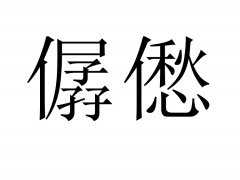
问题一:因为……所以…… 得英语翻译 英语中因为所以不连用 有因为就不能加所以
因为:because ,in the reason of(以什么样的理由),because of

所以:so,therefore(因此),as a result(作为什么的结果)
问题二:因为...所以...用英语怎么说 because或because of(因为,两者区别在于because加从句,because of加名词或名词短语)所以一般是用so
句子翻译为:You are hungry because you ate nothing.或You are hungry because you didn't eat anything.
问题三:因为所以用英语怎么说 一般来说,
因为 :because
所以: so
但在说英语的一个句子时,说了because,就不说 so
例:I did not go to school yes丹erday because I was ill.
问题四:因为所以的英文怎么写 因为Because 所以so Because 和so不能同时使用,英语句子中只能用一个,就表示因为所以的意思了
问题五:英语 因为。。。所以。。。 英语中因为所以,只能出现其中的一个词,两个词都出现属于严重语法和思维错误。
通常用because,for,since,now that 等词和短语表达。
I didn't go home on time because it rained heavily at that time.
She can't afford the car, for she doesn't have enough money.
英语中用于表示“因为”的词和词组及其用法
”因为”在英语中通常可以用because来表示因为是一个常用的连词,用来表示原因或解释。除了because之外,还有一些其他的词语和短语也可以用来表示原因或解释,比如说since、as、due to、owing to等等。
Since:since通常用来表示时间上的原因,也可以用来表示因果关系。例如:“I haven't seen him since last week.”(我上周以来就没见过他。)
As:as通常用来表示原因或解释,也可以用来表示时间上的原因。例如:“As I was feeling tired, I decided to go to bed early.”(因为我感到疲倦,所以我决定早点睡觉。)
Due to:due to通常用来表示原因或解释,意思是“由于”。例如:“The game was cancelled due to bad weather.”(比赛因为天气不好而取消了。)
Owing to:owing to也是用来表示原因或解释的,意思也是“由于”。例如:“Owing to his illness, he couldn't attend the meeting.”(因为他生病了,所以他没能参加会议。)
除了上述词语和短语之外,还有一些其他的表达方式也可以用来表示原因或解释。比如说,可以使用“the reason why”来引出原因,例如:“The reason why I'm late is because of the traffic.”(我迟到的原因是因为交通拥堵。)还可以使用“on account of”、“in view of”、“in light of”等等短语来表示原因或解释。
as
because
for
for as much as
by reason of
in respect that
since
最常用的:
because
[bi5kCz, bE5kCz, bi5kEz]
conj.
adv.因为
because
[bI5kRz; (?@) bI5kC:z]
conj.
因为
I do it because I like it.
我做这件事是因为我喜欢。
He's called 'Ginger' because of his bright ginger hair.
他长着一头淡**的头发,因而被人叫着'黄毛'。
He eats because of greed, not hunger.
他不是因为饿了,而是因为贪嘴才吃的。
because
AHD:[b?-k?z“, -k?z“]
D.J.:[bi6k%8z, -6k(z]
K.K.:[b!6k%z, -6k(z]
conj.
For the reason that; since.
因为为了…的原因;由于
Middle English
中古英语
*See Also : because of
A traditional rule holds that the construction the reason is because is redundant, and should be avoided in favor of the reason is that. The usage is well established, however, and can be justified by analogy to constructions such as His purpose in calling her was so that she would be forewarned of the change in schedule or The last time I saw her was when she was leaving for college. All three constructions are somewhat less than graceful, however. · When because follows a negated verb phrase, it should be preceded by a comma when the because clause explains why the event did not occur. He didn't marry her, because she was frivolous means roughly, “Her frivolity was his reason for not marrying her.” When no comma is used, the because clause is understood as part of what is being negated. He didn't marry her because she was frivolous means roughly, “His reason for marrying her was independent of her frivolity.”
传统的原则认为结构 the reason is because太累赘,应避免,而赞同使用 the reason is that 。这种用法被广泛地接受,并可以用类似的结构证明是正确的,如 他 呼唤她的目的是以便 她能预先知道时间安排的改变,或者 最近一次 我看见她是当 她正要去学院时。然而所这三种结构都有不够完美的地方。当 because跟着一个否定动词短语时,该在它前面加一个逗号来表示这个 because从句解释的是为什么这件事 没有发生。 他不娶她,因为她很轻浮。粗略的意思是, “她的轻浮是他不娶她的原因。”当没有用逗号时,这个 because从句被理解为被否定的部分。 他不娶她不是因为她轻薄,粗略的意思是,“他和她结婚的原因与她的轻薄无关。”
See: as
because
[bi5kCz, bE5kCz, bi5kEz]
conj.
因为
John didn't attend the meeting because he was ill.
约翰没有出席会议, 因为他病了。
B-he is tired, he does not want to go with us.
因为他太疲劳所以他不想和我们一起去。
I criticized him, not because I hate him but because I love him.
我批评他不是因为我恨他而是因为我爱他。
because of
因为; 由于; 为了(I didn't go out because of rain. 因为下雨, 所以我没有出去。)说明在
reason is
的后面, 人们常用
that
[TAt]
而不用
because
[bi5kCz, bE5kCz, bi5kEz]
开头的从句。

in respect that
adv.
因为
respect
[ris5pekt]
n.
尊敬[重]
[pl. ]敬意, 问候
重视, 关心, 考虑
着眼点, 方面
歧视
Show respect to those who are older.
尊敬长者。
We must pay respect to the needs of the general reader .
我们必须关心一般读者的需要。
I think you are wrong in every respect .
我觉得你各方面都错了。
They should do that without respect to race.
他们做那件事时不该有种族歧视。
respect
[ris5pekt]
vt.
尊敬
考虑, 重视, 关心
遵守, 不侵犯
关于
respect the ideas of others
尊重别人的意见
respect oneself
自重
respect the law
遵守 法律
respect privileges [property, neutral territory]
尊重[不侵犯]特权[所有权, 中立地带]
R-yourself, or no one else will.
[谚]人必自敬, 然后人敬之。
command respect
令人肃然起敬
give one's respects to
向...致候
have respect for
尊敬[重], 重视
have respect to
牵 涉到, 关系到
注意到, 考虑到
hold sb. in respect
尊敬某人
in all respects (=in every respect)
无论在哪方面[哪一点]来看, 在各方面
in many respects
在许多方面
in no respect
无论在哪方面[哪一点]都不是...; 完全不是...
in one respect
在一个方面, 在一点上
in respect that
因为...; 如果考虑到...
in respect to [of]
关于, 就...来说; 对...有影响的
in some respects
在某些方面
in that [this] respect
在那一[这一]方面
no respect of persons with
对...无所偏袒
out of respect for sb.
出于对某人的尊敬
pay last respects to
向(死者)告别
pay one's respects to sb.
向...请安[致敬]; 拜访
pay respect to
斟酌, 考虑, 关心
send one's respects to
向... 问候
show respect for
对...表示尊敬
win the respect of all

处处受人尊敬
with respect to
关于
without respect to [of]
不考虑..., 不管...