1 这些女老师们在干什么
[误] What are the woman teachers doing
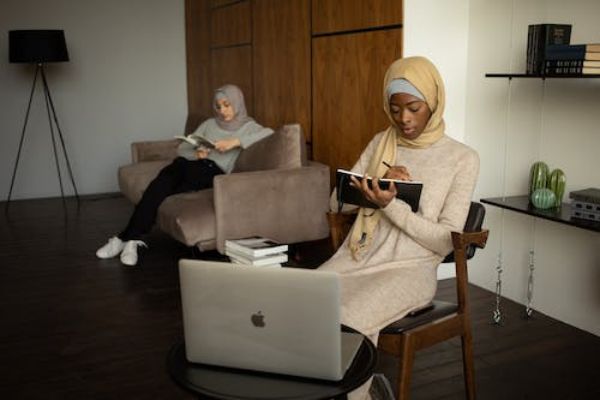
[正] What are the women teachers doing
[析] 在英语中,当一名词作定语修饰另一名词(单或复数形式)时,作定语的名词一般要用其单数形式;但当man, woman作定语修饰可数名词复数形式时,要用其复数形式men, women
2 房间里有多少人
[误] How many peoples are there in the room
[正] How many people are there in the room
[析] people作“人、人们”解时,是个集合名词,其单复数同形。
3 我想为我儿子买两瓶牛奶。
[误] I want to buy two bottle of milk for my son
[正] I want to buy two bottles of milk for my son
[析] 表示不可数名词的数量时,常用“a / an或数词+表量的可数名词+ of + 不可数名词”这一结构,其中当数词大于1时,表量的可数名词要用其复数形式。
[第二类] 动词类
4 你妹妹通常什么时候去上学
[误] What time does your sister usually goes to school
[正] What time does your sister usually go to school
[析] 借助助动词do(或does)构成疑问句或否定句时,句中的谓语动词用其原形。
5 琳达晚上经常做作业,但今晚她在看电视。
[误] Linda often do her homework in the evening, but this evening she watching TV
[正] Linda often does her homework in the evening, but this evening she is watching TV
[析] 在初一英语学习阶段,我们接触到了两种主要时态:一般现在时和现在进行时。一般现在时表示经常的或习惯性的动作,常和often, usually, sometimes 等时间状语连用。在一般现在时的句子中,若主语是第三人称单数,谓语动词要用其第三人称单数形式。现在进行时表示现阶段正在进行或发生的动作,现在进行时由be(am / is / are)+ving形式构成。
6 这双鞋是红色的。
[误] This pair of shoes are red
[正] This pair of shoes is red
[析] 在shoes, trousers, gloves, glasses等表示成双成对的衣物或工具名词前用pair(表计量)修饰时,谓语动词的形式由pair的单复数形式来决定。
[第三类] 代词类
7 这张票是她的,不是我的。
[误] This is hers ticket It’s not my
[正] This is her ticket It’s not mine
[析] 物主代词有形容词性物主代词和名词性物主代词之分。形容词性物主代词之后一定要接名词,而名词性物主代词之后不需接任何词。
8 吴老师教我们英语。
[误] Miss Wu teaches our English
[正] Miss Wu teaches us English
[析] teach sb sth中的sb作teach的宾语,因此当sb为人称代词时要用其宾格形式。
[第四类] 介词类
9 你能找到这个问题的答案吗
[误] Can you find the answer of this question
[正] Can you find the answer to this question
[析] 英语中用“the answer to …”表示“……的答案”。类似结构还有the key to the door, the way to the zoo等。
10 格林先生星期六上午来这里。
[误] Mr Green will come here in Sunday evening
[正] Mr Green will come here on Sunday evening
[析] 表示在上午、下午等时,介词要用in;而表示在具体的某天上午、下午时,介词要用on
11 那个穿着红裙子的小女孩是我们老师的女儿。
[误] That little girl on a red skirt is our teacher’s daughter
[正] That little girl in a red skirt is our teacher’s daughter
[析] 用介词表示“穿戴衣物”时,只能用in,其他介词没有此用法。
[第五类] 副词类
12 莉莉,你为什么不回家呢
[误] Lily, why don’t you go to home
[正] Lily, why don’t you go home
[析] come, go 等后接here, there, home等地点副词时,地点副词前不加to。
[第六类] 连词类
13 我喜欢语文和英语,但我不喜欢体育和历史。
[误] I like Chinese and English, but I don’t like PE and history
[正] I like Chinese and English, but I don’t like PE or history
[析] 在肯定句中并列成分之间用and来连接;而在否定句中,并列成分之间的连接需用or。
[第七类] 冠词类
14 乘飞机去北京花了史密斯一家人一个小时。
[误] It takes Smiths a hour to go to Beijing by a plane
[正] It takes the Smiths an hour to go to Beijing by plane
[析] 1表示“……一家人”用结构“the + 姓氏复数”;
2our 一词的第一个字母不发音,它是以元音音素开头的,所以“一小时”要用 an hour;
3用介词by表示“乘坐”某种交通工具时,交通工具名词前不加任何冠词。
[第八类] 句法类
15 ――你不是学生吗 ――不,我是学生。
[误] ――Aren’t you a student ――No, I am
[正] ――Aren’t you a student ――Yes, I am
[析] 对否定疑问句的回答是用Yes还是用No,这取决于实际情况:如果事实是肯定的,就用Yes表“不”;如果事实是否定的,就用No表“是的”。
2 房间里有多少人
[误] How many peoples are there in the room
[正] How many people are there in the room
[析] people作“人、人们”解时,是个集合名
初一英语上册课本内容梳理总结
初一英语上册单词如下:
1、telephone:电话通讯系统;电话;(电话机的)话筒,受话器;(给……)打电话。
2、orange:Orange是一个英文单词,名词、形容词,作名词时翻译为“橙,柑橘;橙汁,橘汁饮料;橙树,橘树;橙色,橘**;橙**蝴蝶,(美、法、俄、英)奥林奇(人名)”,作形容词时翻译为“ 橙红色的,橘**的;奥兰治党或社团的”。
3、family:主要用作名词、形容词,作名词时意为“家庭;亲属;家族;子女;[生]科;语族;[化]族”,作形容词时意为“家庭的;家族的;适合于全家的”。
4、eraser:橡皮擦,黑板擦。
5、answer:英语单词,动词、名词,意思是答复、回答。
七年级上册的英语有哪些
这篇文章我给大家整理了初一英语上册的重要知识点,接下来分享具体内容,希望对同学的学习有帮助。
助动词(do,does)的用法
只有实意动词作谓语时才涉及使用助动词。以like为例:
1当句子为肯定句时不涉及使用助动词,只涉及“主谓一致”原则。
eg: I like English a lot
Michael likes Chinese food very much
2当句子为否定句时,要根据主语的人称来决定使用相应的助动词:当主语为“三单”时,要使用does;当主语为“非三单”时,用助动词原形do。例如把下列句子变否定句:
Kangkang likes math----Kangkang doesn't like math
They like sports------They don't like sports
3当句子变疑问句时,同样要根据句子的主语来决定在句首使用Do或Does例如下列句子变问句:
Michael likes Chinese Food----Does Michael like Chinese food Yes, he does/ No, he doesn't
Jane and Helen like music----Do Jand and Helen like music Yes, they do/ No, they don't
人称代词1人称代词的用法
(1)人称代词的主格在句子中作主语
(2)人称代词的宾格在句子中作动词或介词的宾语
(3)代词的宾格在句子中有时也作表语,特别是在口语中
2人称代词it的用法
(1)代指时间、距离、天气等
(2)代替刚提到过的事物
(3)代替婴儿或不清楚性别的人。
(4)代替指示代词this或that
(5)在句子中作形式主语或宾语,代替由不定式、动名词等表示的主语或宾语,而句子真正的主语或宾语放在句子的后部,避免头重脚轻
3人称代词同时作主语或宾语时的排列顺序
(1)并列的单数代词作主语或宾语的排列顺序为:第二人称,第三人称,第一人称。但在翻译时按照汉语的人称顺序进行翻译。
(2)并列的复数代词作主语或宾语时的排列顺序为:第一人称,第二人称,第三人称。
(3)在表示承认错误时,单数代词的排列顺序为:第一人称,第三人称,第二人称;复数的排列顺序为:第一人称,第二人称,第三人称
物主代词1形容词性物主代词相当于形容词,只能修饰名词,作定语。
注意:
①在汉语中,表示“……的”可以省略,但在英语中必须用形容词性物主代词
②名词前面已经有形容词性物主代词修饰时,不能再用冠词或指示代词修饰
③若名词前已经有形容词性物主代词修饰,再需要其他形容词修饰时,需放在物主代词之后
2名词性物主代词相当于名词,在句子中作主语、宾语或表语
注意:
①名词性物主代词作主语时,谓语动词的单复数形式取决于它所代替的名词的单复数形式
②在做句型转换时,对两类物主代词提问都用whose, 但是形式有所不同。
③名词性物主代词可以和of构成双重所有格,而形容词性物主代词不能。
一般疑问句1一般疑问句的结构
(1)含be动词或情态动词的一般疑问句,其结构为:
be+主语+其它部分
情态动词+主语+动词原形+其它部分
肯定回答用“Yes,主语+be情态动词”,否定回答用“No,主语+be情态动词+not”。be或情态动词和not可用缩写形式,主要有isn’t,aren’t,wasn’t,weren’t,can’t,mustn’t,needn’t等。
(2)含行为动词(或称为实义动词)的一般疑问句,其结构为:
助动词+主语+动词原形+其它
肯定回答用“Yes,主语+dodoes”,否定回答用“No,主语+dodoesnot”。助动词也常用缩写形式,主要有don’t,doesn’t,didn’t等。
初一英语上册知识点有哪些
七年级上册的英语有如下:
一、visit
英 ['vɪzɪt] 美 ['vɪzɪt]
v 拜访;参观;闲谈
n 拜访;参观;聊天
I'm going to visit my aunt for a few days
我打算去姑妈家住几天。
二、test
英 [test] 美 [test]
n 考验;试验;测试
vt 试验;测试;接受测验
Our test flight was to discover the bugs in the new plane
试验飞行是为了发现新飞机有何毛病。
三、stay
英 [steɪ] 美 [steɪ]
v 停留;逗留;保持
n 停留;逗留
I stayed late at the party last night
昨晚我在晚会上呆到很晚。
四、have
英 [həv] 美 [həv]
aux 已经
vt 有;吃;得到;从事;允许;雇用;享有
n [常用复数]富人,有产者,有钱人;富国
The police have absolute proof of his guilt
警方有他犯罪的确凿证据。
五、practice
英 ['præktɪs] 美 ['præktɪs]
n 练习;实行;习惯;业务
v 练习;实践;开业;执业
Daily practice is the trick in learning a foreign language
每天练习是学会一门外语的诀窍。
初一上册英语重点语法
初一英语上册知识点 人教版一、48个国际音标及26个英文字母的正确书写要熟练掌握元音和辅音,5个元
音字母(a, e, i, o, u),字母的正确占格及单词间 距。二、be动词的用法be动词有三种变形,分别是
:am, is, are。记忆口诀:“我”用am, “你”用are, is用于“他、她、它”;单数全都用is,复数全
部都用are。三、人称及人称代词的不同形式(主格和宾格)1、三种人称:第一人称(I, we),第二人
称(you, you),第三人称(he, she,it, Maria)。2、人称代词的主格,即人称代词位于句子主语位置
时的形态:I, We, You, You,He, She, It, Maria。3、人称代词的宾格,即人称代词位于句子宾语位置
时的形态:me, us, you, you,him, her, it4、形容词性物主代词:
my, our, your, your, his, her, its, their。5、名词性物主代词:
mine, ours, yours, yours, his, hers, its, theirs。6、反身代词:
myself, ourselves, yourself, yourselves, himself, herself, itself,themselves。四、基数词(表
示数量多少的词,大致相当于代数里的自然数)
zero, one, two, three, four, five, six, seven, eight, nine, ten, eleven, twelve,thirteen, fo
urteen, fifteen, sixteen, seventeen, eighteen, nineteen, twenty,twenty-one, twenty-
two, twenty-three,twenty-four, twenty-five, twenty-six,twenty-seven, twenty-eight, twenty-
nine, thirty, forty, fifty, sixty,seventy, eighty,ninety, one hundred,one hundred and one。
五、一般疑问句及特殊疑问句1、一般疑问句:能用Yes或No来回答的问句。一般疑问句句尾读升调。2、
特殊疑问句:不能用Yes或No来回答的问句。特殊疑问句句尾读降调。六、可数名词变复数可数名词变复
数时,有规则变化和不规则变化两种。1、规则变化:1) 一般情况直接在词尾加“-s ”, 如: cake-
cakes, bag-bags, day-days, face-faces,orange-oranges等;2)以s, x, sh, ch结尾的词,要在词尾
加“-es ”,如:bus-buses, watch-watches,box-boxes等;3)以辅音字母加y结尾的词,变y为i再加“
-es ”,如:baby-babies,country-countries, family-families等;4)部分以f (e)结尾的词,变
f (e)为“ves ”,如:knife-knives, half-halves等;5) 以o结尾的词, 加“-s ”或“-es ”, 如
: zoo-zoos, photo-photos, tomato-tomatoes,potato-potatoes等。记忆口诀:除了“英雄”hero外,
凡是能吃的,加“-es ”,不 能吃的加“-s ”。2、不规则变化:初一英语自我介绍(1)自我介绍(2
)1)改变单数名词中的元音字母:man-men, woman-women, foot-feet, tooth-teeth等;2)单、复同形
:sheep-sheep, Chinese-Chinese, Japanese-Japanese等;3)其他形式:mouse-mice, child-children
等。七、简单句的成分及主谓一致原则最基本构成:主语+谓语+宾语,其中谓语由动词来充当。主谓一致
原则,就是句子的谓语要始终与主语保持数量上的一致性。当主语是第三人称单数(简称“三单”)时,
谓语动词也要相应变成单数形式;当主语非“三单”时,谓语动词就用原形。实意动词变“三单”的规则
如下:
1)一般动词在词尾加“-s ”,如:like-likes, tell-tells, play-plays等;
2)以字母
s, x,ch, sh结尾的动词加“-es ”,如:guess-guesses, teach-teaches,
watch-watches等;
3)以o
结尾的动词一般加“-es ”,如:do-does, go-goes等;
4)以辅音字母加y结尾的动词,先变y为i,再
加“-而是”,如:fly-flies, carry-carries等;
5)have的三单形式是has。
八、冠词的用法(名词
前面必须要有冠词)
冠词分为定冠词(the)和不定冠词(a, an)两种。
1、定冠词the表示“特指”,
可译为“这个”、“那个”、“这些”、“那些”。
2、不定冠词a, an用来表明(可数)名词的数量是
“一个”。an用于以元音开头(注意不是以元音字母开头)的单词前,a则英语非元音开头的单词前。
3
、不定冠词a, an与基数词one的区别是:不定冠词不是刻意强调“数量”,而基数词则强调“数量”。
九、助动词(do, does )的用法
只有实意动词作谓语时才涉及使用助动词。以like为例:
1)当句子为
肯定句时不涉及使用助动词,只涉及“主谓一致”原则。
eg : I like English a lot
Michael likes Chinese food very much
2)当句子为否定句时,要根据主语的人称来决定使用相应的
助动词:当主语为“三单”时,要使用does;当主语为“非三单”时,用助动词原形do。例如把下列句子
变否定句:
Kangkang likes math----Kangkang doesn't like math
They like sports------
They don't like sports
3)当句子变疑问句时,同样要根据句子的主语来决定在句首使用Do或Does例
如下列句子变问句:
Michael likes Chinese Food----Does Michael like Chinese food Yes, he
does/ No, he doesn't
Jane and Helen like music----
Do Jand and Helen like music Yes, they do/
No, they don't
十、名词所有格
1、
Kangkang's books;Tom and Helen's desk; Ann's and Maria's bikes;
2、用of表示“的”,但
要从of后往of前翻译:a book of mine(我的一本书)
3、have与of的区别:
have一般表示“主
动拥有”,往往用于有生命的人或动物;无生命的物体一般不能“主动拥有”,表示所属关系时要用of。
例如:
I have a new bike She has two big eyes
a door of the house
十一、课本中的知识点
1、
Unit 1 ——Unit 2
1)问候语:
Good morning/ afternoon/ evening
How are you---
Just OK, thank you How are you---Not bad, thanks
Hi! Hello!
How do you do
2)道别用语:
Nice/ Glad to meet/ see you(meet用于初次见面,see用于熟人间)
Nice to meet/ see you, too
Goodbye Byebye Bye See you (later/ tomorrow/ next time)! So long! Good
night!
3)介绍人或
者物的句型:This is
4)Excuse me与I'm sorry的区别:
Excuse me是要引起对方的注意,而
I'm sorry则是向对方道歉。
5)词组be from = come from
in English
5)当问句中问到this/ that时
,回答要用it;问到these/ those时,要用they来回答。 例如: What's this in English----
It's an eraser
What are those----They are books
6)对Thanks的回答:
That's OK/ You're welcome/ My pleasur
7)look the same = have the same looks
give sth to sb = give sb sth
be like = look like
in the tree/ on the tree (树上结的、长
出来的用on,否则用in)
in red(穿着红色的衣服)
in the desk(在空间范围之内)
in English(用
英语)
help sb do sth
8)both与all的区别:
both表示“两者都”;all表示“三者及以上都
”。
2、Unit 3——Unit 4
1)speak的用法
speak与say不同:speak表示“说”的动作,不表示
“说”的内容;say则表示“说”的内容。
speak后面除了能接“语言”外,不能直接接东西,后面加了
to则表示“对说”。
help sb with sth(帮助某人做/补习)
want to do sth(
想要做某事)
would like to do sth
notat all(一点都不);Not at all(没关系/别介意)
likea lot = likevery much
2)some和any的区别:
口诀:some用于肯定句,否定、疑问变any。
例如:
I have some money
I don't have any money
Do you have any money
3)
have a seat = take a seat(请随便坐)
4)祈使句(表示命令或请求的句子)
祈使句一般都省略了主
语You,所以其否定句直接用Don't开头。例如:
Don't go there!
5)问职业:
What does sb do
What is sb
What's sb's job

6)work与job的区别:
work是未必有报酬的“工作”,例如
homework, housework;而job则一定是有报酬的“工作”。
7)on指在物体的表面,不论这个面是否水平
的,例如:
on the desk/ wall/ farm/ playground
8)in hospital(住院);in the hospital(在医
院里)
look after(照料/照顾/照看)
help oneself(请自便/随便吃)
9)表示“建议”的句型:“
做某事如何?”
What about (doing) sth (英式英语)
How about (doing) sth (美式英语)
Why don't you do sth = Why not do sth
10)“吃”一日三餐要用have:
have breakfast/ lunch/ supper
havefor breakfast/ lunch/ supper
take one's order
be kind to sb
11)try on这个词组可合可分:名词可以放在这个词组的中间或后面,但代词只能放在
词组的中间。
12)在口语中往往用take表示“买”。
13)how many与how much的区别:
how many + 可
数名词;how much + 不可数名词
14)What do you think of 是询问对方对某事物的看法;
How do you like 是问对方对某事物喜欢的程度。
think about(考虑)
Thank you all the same (即使对方没能帮上忙,也要礼貌道谢)
Thanks = Thank you
(thank作为动词,不能单独使用。)
15)one与it的区别:
当上下文说的是同一种类事物时,任意一个
可以用one来代替;如果上下文所说的是同一个事物时则用it。例如:
Ann :I have a yellow bag
Jane :I have a green one
Tom : Hey, Mike Where is your bike
Mike : Look, it's over there
16)倒装句
Here you are
Here it is
17)be free (有空/免费
)
forget to do sth(忘了去做某事)
forget doing sth(忘了做过某事)
What's up = What's wrong with = What's the matter with
18)go + v-ing结构的含义:
为了实现某目的才去的。例如:
go fishing/ boating/ swimming/ shopping等
19)have to do sth(
非主观因素,强调客观因素,“不得不去做某事”)
must 则表示主观愿望
20)
fly a kite = fly kites
be free = have time
21)时间的表述
当分针所指的时间大于0分、小于等于
30分钟时,用“分钟”past“小时”。例如:
8:23——twenty-three past eight
当分针所指的时间大
于30分钟、小于60分钟时,用“剩余的时间”to“下一个整点”。例如:
8:49——eleven to nine
当
然,还可以直接按照小时、分钟去读出时间,例如:
8:23——eight twenty-three; 8:49——
eight forty-nine
整点则在数词后加“-o'clock”,例如:8:00——eight o'clock
在钟点前介词要用
at
22)句型“该干某事了。”:It's time to do sth = It's time for sth
例如:该吃午饭了
It's time to have lunch = It's time for lunch
一、初一英语语法——词法
1、名词
A)、名词的数
我们知道名词可以分为可数名词和不可数名词,而不可数名词它没有复数形式,但可数名词却有单数和复数之分,复数的构成如下:
一)在后面加s。如:fathers, books, Americans, Germans, apples, bananas
二)x, sh, ch, s, tch后加es。如:boxes, glasses, dresses, watches, wishes, faxes
三)1)以辅音字母加y结尾的变y为i再加es 如:baby-babies, family-families, duty-duties, comedy-comedies, documentary-documentaries, story-stories
2)以元音字母加y结尾的直接加s。如:day-days, boy-boys, toy-toys, key-keys, ways
四)以o结尾加s(外来词)。如:radios, photos, 但如是辅音加o的加es:如: tomatoes西红柿, potatoes马铃薯
五)以f或fe结尾的变f为v再加es(s)。如:knife-knives, wife-wives, half-halves, shelf-shelves, leaf-leaves, yourself-yourselves
六)单复数相同(不变的)有:fish, sheep, deer鹿子, Chinese, Japanese
七)一般只有复数,没有单数的有:people,pants, shorts, shoes, glasses, gloves, clothes, socks
八)单词形式不变,既可以是单数也可以是复数的有:police警察局,警察, class班,同学, family家,家庭成员
九)合成的复数一般只加主要名词,多数为后一个单词。如:action movie-action movies, pen pal-pen pals; 但如果是由man或woman所组成的合成词的复数则同时为复数。如:man doctor-men doctors, woman teacher-women teachers
十)有的单复数意思不同。如:fish鱼 fishes鱼的种类, paper纸 papers报纸,卷子,论文, work工作 works作品,工厂, glass玻璃 glasses玻璃杯,眼镜, orange桔子水 oranges橙子, light光线 lights灯, people人 peoples民族, time时间 times时代, 次数, chicken 鸡肉 chickens 小鸡
十一) 单个字母的复数可以有两种形式直接加s或’s。如:Is (I’s), Ks (K’s)。但如是缩略词则只加s。如:IDs, VCDs, SARs
十二) 特殊形式的有:child-children, man-men, woman-women, foot-feet, mouse-mice, policeman-policemen, Englishman-Englishmen
B)名词的格
当我们要表示某人的什么东西或人时,我们就要使用所有格形式。构成如下:
一)单数在后面加’s。如:brother’s, Mike’s, teacher’s
二)复数以s结尾的直接在s后加’,如果不是以s结尾的与单数一样处理。如:Teachers’ Day教师节, classmates’; Children’s Day六一节, Women’s Day三八节
三)由and并列的名词所有时,如果是共同所有同一人或物时,只加最后一个’s,但分别拥有时却分别按单数形式处理。如:Mike and Ben’s room迈克和本的房间(共住一间),Mike’s and Ben’s rooms迈克和本的房间(各自的房间)
2、代词
项目 人称代词 物主代词 指示代词 反身代词
人称 主格 宾格 形容词 名词性
第一人称 单数 I me my mine myself
复数 we us our ours ourselves
第二人称 单数 you you your yours yourself
复数 you you your yours yourselves
第三人称 单数 she her her hers herself
he him his his himself
it it its its this that itself
复数 they them their theirs these those themselves
3、动词
A) 第三人称单数
当动词是第三人称单数时,动词应该像名词的单数变动词那样加s,如下:
一)一般在词后加s。如:comes, spells, waits, talks, sees, dances, trains
二)在x, sh, ch, s, tch后加es。如:watches, washes, wishes, finishes
三)1)以辅音字母加y结尾的变y为i再加es。如:study-studies, hurry-hurries, try-tries
2)以元音字母加y结尾的直接加s。如:plays, says, stays, enjoys, buys
四)以o结尾加es。如:does, goes
五)特殊的有:are-is, have-has
B) 现在分词
当我们说某人正在做什么事时,动词要使用分词形式,不能用原形,构成如下:
一)一般在后加ing。如:spell-spelling, sing-singing, see-seeing, train-training, play-playing, hurry-hurrying, watch-watching, go-going, do-doing
二)以不发音e的结尾的去掉e再加ing。如:dance-dancing, wake-waking, take-taking, practice-practicing, write-writing, have-having
三)以重读闭音节结尾且一个元音字母+一个辅音字母(注意除开字母组合如show –showing, draw-drawing)要双写最后的辅音字母再加ing。如:put-putting, run-running, get-getting, let-letting, begin-beginning
四)以ie结尾的变ie为y再加ing。如:tie-tying系 die-dying死 lie-lying 位于
4、形容词的级
我们在对两个或以上的人或物进行对比时,则要使用比较或级形式。构成如下:
一) 一般在词后加er或est(如果是以e结尾则直接加r或st)。如:greater-greatest, shorter –shortest, taller –tallest, longer –longest, nicer- nicest, larger -largest
二)以重读闭音节结尾且1个元音字母+1个辅音字母(字母组合除外,如few-fewer fewest)结尾的双写结尾的辅音再加er /est。如:big-bigger biggest, red-redder reddest, hot-hotter hottest
三) 以辅音字母+y结尾的变y为i加er/est。如:happy-happier happiest, sorry-sorrier sorriest, friendly-friendlier friendliest(more friendly most friendly), busy-busier busiest, easy-easier easiest
四)特殊情况:(两好多坏,一少老远)
good/well - better best many/much - more most bad/ill – worse worst
little- less least old- older/elder oldest/eldest far- farther/further farthest/furthest
5、数词 (基变序,有规则;一、二、三,自己背;五、八、九、十二;其它后接th;y结尾,变为i, eth跟上去。) first, second, third; fifth, eighth, ninth, twelfth; seventh, tenth, thirteenth, hundredth; twenty-twentieth, forty-fortieth, ninety-ninetieth
二、初一英语语法——句式
1陈述句
肯定陈述句 a) This is a book (be动词)
b) He looks very young (连系动词)
c) I want a sweat like this (实义动词)
d) I can bring some things to school (情态动词)
e) There’s a computer on my desk (There be结构)
否定陈述句 a) These aren’t their books b) They don’t look nice
c) Kate doesn’t go to No 4 Middle School d) Kate can’t find her doll
e) There isn’t a cat here (=There’s no cat here)
2 祈使句
肯定祈使句 a) Please go and ask the man b) Let’s learn English!
c) Come in, please
否定祈使句a) Don’t be late b) Don’t hurry
3 疑问句
1) 一般疑问句 a) Is Jim a student b) Can I help you c) Does she like salad
d) Do they watch TV e) Is she reading
肯定回答: a) Yes, he is b) Yes, you can c) Yes, she does d) Yes, they do e) Yes, she is
否定回答: a) No, he isn’t b) No, you can’t c) No, she doesn’t d) No, they don’t e) No, she isn’t
2) 选择疑问句 Is the table big or small 回答 It’s big/ It’s small
3) 特殊疑问句
① 问年龄 How old is Lucy She is twelve
② 问种类 What kind of movies do you like I like action movies and comedies
③ 问身体状况 How is your uncle He is well/fine
④ 问方式 How do/can you spell it L-double O-K
How do we contact you My e-mail address is cindyjones@163com
⑤ 问原因 Why do you want to join the club
⑥ 问时间 What’s the time (=What time is it) It’s a quarter to ten am
What time do you usually get up, Rick At five o’clock
When do you want to go Let’s go at 7:00
⑦ 问地方 Where’s my backpack It’s under the table
⑧ 问颜色 What color are they They are light blue
What’s your favourite color It’s black
⑨ 问人物 Who’s that It’s my sister
Who is the boy in blue My brother
Who isn’t at school Peter and Emma
Who are Lisa and Tim talking to
⑩ 问东西 What’s this/that (in English) It’s a pencil case
What else can you see in the picture I can see some broccoli, strawberries and hamburgers
11问姓名 What’s your aunt’s name Her name is Helen/She’s Helen
What’s your first name My first name’s Ben
What’s your family name My family name’s Smith
12 问哪一个 Which do you like I like one in the box
13 问字母 What letter is it It’s big D/small f
14 问价格 How much are these pants They’re 15 dollars
15 问电话号码 What’s your phone number It’s 576-8349
16 问谓语(动作) What’s he doing He’s watching TV
17 问职业(身份) What do you do I’m a teacher
What’s your father He’s a doctor
三、初一英语语法——时态
1、一般现在时 表示普遍、经常性的或长期性的动作时使用一般现在时,它有:
Be 动词:She’s a worker Is she a worker She isn’t a worker
情态动词:I can play the piano Can you play the piano I can’t play the piano
行为动词:They want to eat some tomatoes Do they want to eat any tomatoes They don’t want to eat any tomatoes
Gina has a nice watch Does Gina have a nice watch Gina doesn’t have a watch
2、现在进行时 表示动词在此时正在发生或进行就使用进行时态,结构为sb be v-ing sth + 其它
I’m playing baseball Are you playing baseball I’m not playing baseball
Nancy is writing a letter Is Nancy writing a letter Nancy isn’t writing a letter
They’re listening to the pop music Are they listening the pop music They aren’t listening to the pop music
1 形容词的用法:
形容词用以修饰名词,表示人或事物的特征。在句中可以作定语、表语,用于限定被修饰语的特征,如长短、大小、重量、颜色、高矮、胖瘦、新旧等,。
The little girl is very pretty 这个小女孩很好看。
--I want that one 我想要那个。
--Which one 哪一个?
--The new blue one 那个蓝色新的。
Can I have a look at the big nice one 我能看一看那个大的漂亮的吗?
2、人称代词:
是用来表示人的代词,有单数和负数之分,有主格和宾格之分。人称代词的主格在句中作主语;人称代词的宾格在句中作宾语,是作动词或介词的宾语。
主格:I, we, you, he, she, it, they在句子中作主语
宾格:me, us, you, him, her, it, them在句子中作宾语
He and I are in the same class 我和他在同一个班级。
Can you see them in the street 你能看见他们在街上吗?
3、可数名词和不可数名词
英语中名词分为可数名词和不可数名词。凡是可数计数的名词叫做可数名词;凡是不可以计数的名词叫做不可数名词。
(1)可数名词分为单数和复数两种形式。可数名词前可以用不定冠词、数词或some many等修饰。如:a man a desk an apple an orange some books some children tow pens
(2)不可数名词没有复数形式,前面不能用不定冠词、数词或many等词语修饰,但可以用some a little much等词语来修饰。有时可以与一些量词短语搭配,这些量词短语中的名词一般是可数的,有单数形式,也可以有复数形式。如:some water a little milk much food a piece of bread tow bottles of ink some glasses of water
4、祈使句
祈使句用来表示请求、命令等,句中没有主语,肯定形式由谓语或者谓语+宾语(+宾语补足语)构成,否定形式则在句前加Don’t
Stand up, please 请起立。 Don’t worry 别担心。
can的用法:
can是情态动词,表示“能,会,可以,被允许等”,其后接动词原形,否定形式为cannot,可缩写为can’t
She can speak Japanese 她会讲日语。
I can’t remember his name 我不记得他的名字了。
Can you spell your name 你会拼写你的名字吗?
5、现在进行时态:
概念:表示现在(说话瞬间)正在进行或发生的动作,也可以表示目前一段时间内或现阶段正在进行的活动。
结构:由be动词(am, is, are) + 动词ing构成,其中be动词要与主语保持性数一致。
Mary is flying a kite in the park 玛丽正在公园里放风筝。
--What are you doing now 你现在在干什么?
--I’m reading English 我正在读英语。
Are they drawing the pictures now 他们正在画画吗?
动词现在分词是动词原形变化而来的,规则变化如下:
动词ing形式叫动词现在分词,其构成如下:
1) 直接在动词后加ing
play—playing, do—doing, talk—talking, sing--singing
2) 以不发音的字母e结尾的动词,先去e,再加ing
make—making, write—writing, have—having, take—taking
3) 以重读闭音节结尾的动词且词尾只有一个辅音字母,应双写这个辅音字母,再加ing
run—running, stop—stopping, put—putting, swim—swimming
注意对现在进行时态的判断。判断一个英语句子用什么时态,主要看句子的时间状语,一般说来,每种时态都有与之相对应的时间状语。现在进行时表示现在(说话瞬间)正在进行或发生的动作。因此,这个时态最常用的时间状语是now;但有不少句子并没有now,只能通过提示语如look、listen等或者通过上下文来确定用现在进行时。
She is cleaning her room now 她正在打扫房间。
Look! The girl is dancing over there 看!那个女孩在那里跳舞。
Can you go and play games with me 你能和我们一起做游戏吗?
Can’t you see I am doing my homework 你没看见我正在做作业吗?
6、have/ has的用法:
1) 谓语动词have表示“有”,有两种形式:have和has,前者用于第一人称(I, we),第二人称(you)和第三人称复数(they),后者用于第三人称单数(he, she, it)或单数名词。
I have an apple and he has two bananas 我有一个苹果,他有两个香蕉。
You have a new English teacher 你们有了一个新的英语老师。
It has two big eyes 它有一双大眼睛。
Julie and Jack have a nice car 朱莉和杰克有一辆好看的车。
2) have/has句型与there be句型的比较:两者都表示“有”,但用法不同。前者表示所属关系,即表示“某人或某物有什么”,而后者表示存在,表示“某地有什么”。
They have some new books 他们有一些新书。
There are some new books on their desks 他们桌子上有一些新书。
She has a lot of pretty skirts 她有很多漂亮的裙子。
There are a lot of pretty skirts in the shop 商店里有很多漂亮的裙子。
3) have/ has的否定句,一般要加助动词do/ does,再加not构成,即do not have (don’t have)/ does not have (doesn’t have)
She does not have a sister 她没有姐姐。
We don’t have any classes on Saturday 我们星期六没有课。
Ann and I don’t have a big room 我和安没有一个大房间。
4) 一般疑问句由“助动词Do/ Does + 主语 + have + 宾语”构成,回答用Yes, … do/ does或者No, … don’t/ doesn’t
--Do you have a big house 他们的房子大吗?
--No, they don’t 不,他们的房子不大。
--Does he have an eraser 他有橡皮吗?
--Yes, he does 他有的。
5) 特殊疑问句由特殊疑问词 + 助动词do/ does + have (+状语)构成。
What do they have 他们有什么?
What does he have 他有什么?
How many telephones do they have 他们有几部电话?
7、介词用法:
1) 具体时间前介词用at。
He gets up at half past seven every day 他每天七点半起床。
She goes to bed at eleven o’clock 她十一点睡觉。
2) 表示“在早上,在下午,在晚上”的短语中用介词in,且定冠词the不能省略;表示“在中午,在夜里”的短语中介词用at,不加冠词。
in the morning在早上,in the afternoon 在下午,in the evening 在晚上
at noon在中午,at night在夜里
3) 表示“在某天”、“在某天的上午、下午等”的短语用介词on。
What do you usually do on Monday morning 星期一上午你通常做什么?
Do you sometimes go out to eat on Friday evening 有时你星期五晚上出去吃饭吗?
He watches DVDs on Saturday night 星期六晚上他看DVD。
Parents take children to parks on June 1 六月一日,家长们带着孩子去公园。
4) 在this, last, next, every等词前面既不加介词,也不用冠词。
What are you doing this afternoon 今天下午你做什么?
He visits his grandma every Friday 他每个星期五都去看望祖母。
She is going to Shanghai next Monday 她下个星期一去上海。
8、一般现在时
一般现在时表示经常性或习惯性的动作,或表示现在的特征或状态。
其动词形式是:动词原形(只有第三人称单数作主语时除外,要加-s)其疑问句和否定句需要用助动词do或does
1) 肯定句用行为动词原形表示
They get up very early every morning 他们每天早晨起来很早。
I visit my grandparents four times a month 我一个月去看望祖父母四次。
2) 否定句用don’t + 动词原形来表示
We do not go shopping on Sundays 我们周日不去购物。
I don’t think you like this colour 我想你不喜欢这个颜色。
3) 一般疑问句则是把助动词do提前至句首,后面动词用原形。回答时,肯定用 “Yes, 主语+do”;否定句用 “No, 主语+don’t”。
–Do they go to school at seven o’clock 他们七点去上学吗?
--Yes, they do
--Do you like this skirt 你喜欢这条裙子吗?
--No, I don’t 不,我不喜欢。
一般现在时用来表示经常的或习惯性的动作,常与以下的时间状语连用:often 经常,always 总是,sometimes 有时,usually 通常,every day/ week 每天/ 周等。
He usually goes to school by bike 通常他骑车上学。
I visit my grandparents every week 我每个星期都去看祖父母。
She is always late for class 她总是上课迟到。
My parents and I sometimes go out to eat 我和父母有时出去吃饭。
It often rains here 这儿常常下雨。
主语为第三人称单数时的一般现在时
一般现在时态,当主语为第三人称单数时,谓语动词也要是第三人称单数,后要加-s或-es。
He likes reading at night 他喜欢夜里读书。
She usually goes to school by bike 她平时骑车上学。
The little cat drinks milk every day 小猫每天都喝牛奶。
转换成否定句要加doesn’t,其后的动词用原形。

Kelly doesn’t get up early on Saturdays and Sundays 凯丽星期六星期天起床不早。
He doesn’t feel well today 他今天感觉不舒服。
转换成一般疑问句,句首用Does,其后的动词用原形。
Does he have lunch at school 他在学校吃午饭吗?
Does it take long by train 乘火车要很长时间吗?