平行班用的同一课题的教案设计,根据上课班级学生的实际差异宜有所区别。下面是我给大家整理的,供大家参阅!
篇1

教学目标与要点
1掌握打电话的一些方法和技巧,能熟练使用英语打电话,并且用语准确,特别注意英汉文化之间的差异。
2学习归纳有关"travel"方面的词汇。能够制定、描述、总结自己的某一次trip。掌握相关的旅行常识。
3学习宾语从句,掌握由that引导的宾语从句。注意所有陈述肯定或否定句作宾语时,都应由that引导。
4能够理解和运用部分动词所带否定的宾语从句的否定前置。如:I don't think they can came on time
5 除会叙述旅行之外,我们还要给出We should write a short passage about travelling What do you think of travelling Is it good or bad 等题目进行写的练习。
素质教育目标
1 学习新的语法知识:The Object Clause。
2 熟练掌握有关打电话和旅行的词汇、短语及日常用语。
3 鼓励学生在学习过程中锻炼听说读写的能力,并不断提高相关知识的语言应用能力。
4 向学生通过对旅行知识的学习,了解祖国的大好河山,教育他们热爱祖国、建设祖国、保卫祖国的理念。
教学设计方案
Language Focus:
1 Useful expressions:
Right now, That’s very kind of you as soon as possible, except, leave a message, many thanks, between… and…
2 Grammar: The Object Clause
He says that he wants to speak to the headmaster
He says that he won't be free until tomorrow
Properties: Recorder, Overhead Projector, Pictures
Teaching Procedures:
I Showing aims
Get the students know what they will learn in this lesson and what they will do in this class:
1 Master some useful expressions
2 Learn the new grammar: The Object Clause
3 Learn to make dialogues using the Object Clause
II Revision
1 Check homework
2 Revise the Present Perfect Tense Ask: Have you ever been to mountain Emei
How long have you been there See if the students can answer them correctly
3 Revise how to make a telephone call Ask the students what they will say in the telephone call, help the students to answer with “Hello” “Could I speak to…” “This is…speaking” “Who’s that, please” write them on the blackboard
III Presentation
Take out two telephone sets, make a telephone call with the students Ask one best student to answer the telephone:
T: Could I speak to Mrs Yang, Please
S: I’m sorry She isn't in May I help you
T: That’s very kind of you I hope to see her on Friday Could you take a message for me
S: Certainly
T: Many thanks Goodbye
S: It’s my pleasure
Have the students practise in pairs, make sure they can make the dialogue freely
IV Listen, read and act
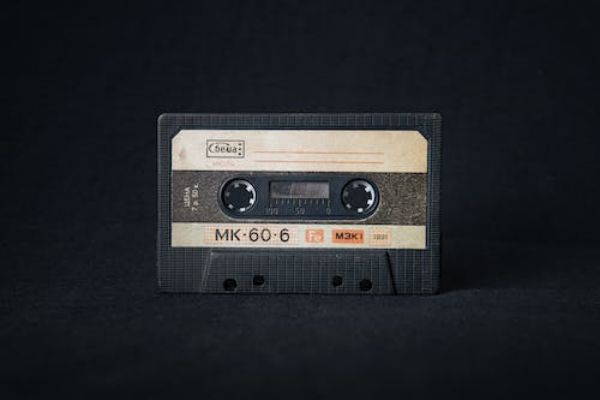
Part 1 Speech Casette Play the tape for the students to listen, then play the tape again for the students to repeat
Have the students read the dialogue in pairs and ask two or three groups to read
Ask one group to act out the dialogue
V Presentation
Play games with Polly says the teacher says sentence, then asks one student to repeat it, begin with: Polly says…
T: I want to see Miss Yang
S1: Polly says that she wants to see Miss Yang
T: I want to go home as soon as possible
S2: Polly says that she wants to go home as soon as possible
T: I will go to Beihai soon
S3: Polly says that she will go to Beihai soon
Explain the grammar The Object Clause in Chinese, get the students to understand it
Do Exercise 2 in the workbook to help the students understand the grammar easily
VI Practice
The teacher says a word, have the students ask and answer in pairs For example:
The teacher says: “The girl is reading English” The students may ask and answer like:
SA: What does the teacher say
SB: She says that the girl is reading English
Say sentences as many as possible, make sure the students can ask and answer correctly
Part 2 Talk about the dialogue of Part 1 Get the students to work in pairs
VII Workbook
Do Exercise 1 in pairs, check with the whole class
For Exercise 2, work on it as homework
VIII Summary
Exercise in class
Ask questions in pairs and write them down in the exercise book
Model: I want to buy a book
A: What does Polly say
B: Polly says that she wants to buy a book
1 He will not e today
2 I want to speak to Mr Brown
3 We are going to Mount Emei
4 I’m free every day except today
5 I’ll leave a message on the desk
IX Homework
Finish off the exercises in the workbook
篇2
Language Focus:
1 Useful expressions: on a trip; have a football match; What a Pity How interesting Have a good time; take photos
2 The use of “that” in the Object Clause
Properties: recorder; Overhead Projector; Pictures
Teaching Procedures:
I Showing aims
Get the students to know what they will learn in this lesson and have the students know what they will do in this class:
1 Master some useful expressions
2 Go on learning the Grammar: the use of "that in the Object Clause
3 Read and act out the dialogue
II Revision
1 Check homework
2 Revise Lesson 14 “Jim’s Train Ride” First get the students to ask and answer some questions about the passage, see if the students can understand the passage correctly Get one student to retell the story
III Presentation
Present this dialogue:
T: What did you do yesterday
S: We had a football match What about you
T: We were on a train We came back from Mount Emei
S: Really How exciting I've never been there How did you get there
T: By train We went there by train
S: Did you have a good time
T: Yes, ifs very beautiful
S: Did you take any photos
T: Of course
Show the dialogue on a slide, and ask the students W read it in pairs Give them a few seconds to practise the dialogue in pairs Get the students to make their own dialogues Ask some groups to share their dialogues with the whole class
IV Read and act
Part 1 Speech Cassette Have the students listen to the tape Then play the tape again for them to repeat Ask: What did Lin Tao say Have the students find the answer
Read the dialogue again, and do Exercise l in the workbook to help them to understand the dialogue and help them to master the grammar: the Object Clause
V Practice
Part 2 Have the students ask and answer in pairs See if the students can use the Object Clause correctly
VI Workbook
Do Exercise 3 with the students Have the students read the passage and guess the meaning of the new words Encourage the students to improve their reading ability
Do Exercise 2 Have a dictation Dictate some sentences Then make the students ask and answer in pairs
VII Summary
Exercises in class
Fill in the blanks with the right verb forms
1 Our teacher told us that you _________ be going on a trip
2 Lin Tao said that he ___________ never __________ be there
3 Jim thought that the train __________ be like a big moving party
4 She says there __________ be a big party this weekend
5 Lin Tao feels that his own team __________ be even better
6 __________ not be late for class, the teacher __________ not be happy
Answers: 1 were 2 had been 3 was 4 will be 5 is 6 Don't be / won't be
VIII Homework
Read the dialogue and make similar dialogues
篇3
Language Focus:
more than two years, practise speaking English, the Greens, none of the them, keep doing something, fall fast asleep /awake, wake up, last long
Properties: Recorder; Overhead Projector; Pictures
Teaching Procedures:
I Showing aims
Have the students know what they will learn in this lesson and what they will do in this class:
1 Master some useful expressions
2 Read the passage “Jim’s Train Ride” carefully to improve their reading ability
3 Know something about Mount Emei and some other mounts in China
II Revision
1 Check homework
2 Revise the Object Clause Play games “Kate says…” Have the students do in groups of three
v K: Nancy is not here yet
v T: She will be here soon
v Y: Nancy is not here yet I hope that she will be here soon
v K : The weather is cloudy
v T : It will clear up soon
v Y: The weather is cloudy I hope that it will clear up soon
K: There is a lot of food
v T: You can eat more
v Y: There is a lot of food I hope that you can eat more
v K: The park is crowded
v T: There are enough tables and benches
v Y: The park is crowded I hope that there are enough tables and benches
III Pre-read
Part 1 In all groups have the students answer the questions Then discuss the questions in class
Put up a map of China on the blackboard and get the students to show Mount Emei and other mounts such as Mount Hua etc, and talk about some mounts if they know them
IV Presentation
Have the students discuss in groups Ask: “What will they do if they will go travelling” A few minutes for them to discuss, then ask some of them to give their reports to share with the class
V Reading
Part 2 Speech Cassette Let the students read through the passage to find the answer to the question: How did Jim feel on his trip to Mount Emei Help the students use these words: happy, exciting, … See if the students can guess the meaning of the new words
Play the tape Ask the students to listen carefully The teacher may stop the tape while the students are listening, and ask the students to go on reading It can test the students' ability to follow the passage as it is read on the tape
Using Exercise I in the workbook of Lesson 14, check the students' reading The students ask and answer in pairs
VI Acting
Divide the students into all groups Change this passage into a play, ask them to act out this play One of them plays the part of a narrator, the others play Mr Green, Mrs Green, Jim, the conductor, and fruit shop assistant
VII Workbook
Do Exercise 3 in class Have the students read the sentences and translate them into Chinese, check with the whole class
For Exercise 2, it can be worked as homework
Answers for Exercise 2: by, enjoyable, by, took, bus, lively, fortable, watching, scenery, offer, magazines, nearby, practised, trip / journey, tired
VIII Summary
Exercises in class
Rewrite the following sentences
1 She will have a train ride to Hangzhou She says…
2 Class Five will have a football match with Class Six The teacher says…
3 The station is very crowded He said…
4 A young man is speaking in English Jim said…
5 The train is quite fortable Jim thought…
6 There aren’t too many people in their sleeping car Jim told me…
IX Homework
Read the passage after class
Finish off the exercises in the workbook
初中英语八年级上册教案设计
初中英语教师资格面试—《This is my sister》教案
人教版七年级上 Unit 2 This is my sister
Section B 2a-2c My family
Teaching topic: My family
Period: one period
Teaching objectives:
Knowledge and skill objectives:
Students will be able to grasp seven words: family, grandfather, grandmother, parents, brother, sister, cousin
Grasping the sentence pattern "These are" and using it to introduce their family
Students can find out the specific information in passage
Process and method objectives:
Through individual work, pair work and group work, improving Ss' ability of independent thinking and cooperation
Through individual work, students can get the reading skill of finding out specific information
Emotion, attitude and values objectives:
Be aware of the importance of family and learn to love their family members
Teaching contents
Words: family, photo, grandfather, grandmother, parents, brother, sister, cousin
Sentence pattern: These are···
Key and difficult points:
Key points: grasp the words and sentence pattern and learn to introduce their own family And find out the specific information from the text
Difficult points: how to improve their interest in joining the class
Major steps and time allocation:
ⅠLead in (2')
ⅡPre-reading (10')
ⅢWhile-reading (20')
ⅣPost-reading (10')
V Summary (2’)
VI Homework (1')
Activities and justification
ⅠLead in
Activity: listen and sing a song Family Fingers
Reason: the music will arouse Ss' interest and the teaching content would be naturally led in
ⅡPre-reading
Play the tape of this passage, and let students guess the main idea of this passage
Reason: through listening, ss can practice their listening skill as well as get the main idea of this passage
III while-reading
Fast-reading
Activity: Ss read the passage quickly and then try to figure the roles in the pictures
Careful reading:
Activity 1: read the passage again and fill in the blanks
1 My name is ________
2 Alan and Mary are my _________
3 Bob and Eric are my ___________
4 Cindy is my __________
5 Helen is my ___________
Activity 2: read the passage again and answer the questions below
1 Where are my grandfather and grandmother
2 Where is Bob and Eric
3 Who is Cindy
Activity 3: teach all the new words and the sentence pattern
Reason: activity1 and activity2 lay a foundation for activity3, and Ss can easily grasp the content through these activities
ⅢPost-reading
Activity 1: Ss introduce their own family to his or her partner by using the structure of the passage
Activity 2: invite several groups to come to the front to introduce his family and give the best group reward
Reason: activity 1 can help Ss practice what they have just learned and activity 2 can cultivate Ss' awareness of cooperation and competition
ⅣSummary
Activity: ss summarize what they have learnt, and teacher give supplement if necessary, and remind them that they should love their families
Reason: review what they have learnt in time, and this kind of summary also reflects the new teaching concept
ⅤHomework
Activity: introduce the picture in the text book to your parents
Reason: the open homework would review what they have learned in class but promote communication between parents and children as well
以上就是关于教师资格面试教案—初中英语《This is my sister》的内容分享,希望能够帮助到各位考生,如果您想了解更多教师资格证考试相关内容,欢迎关注环球青藤网站进行了解哦!
初中英语宾语从句教案设计范文
做老师可不容易,除了会教人还要会写教案,那么初中英语八年级上册教案设计怎么写呢下面我为你带来初中英语八年级上册教案设计范本,希望能对你们有所帮助!!
初中英语八年级上册教案设计一
Unit 1: How often do you exercise
学习目标
会使用频率副词及短语;
能描述课余时间的活动安排;
会描述基本饮食结构。
语言目标
● What do you usually do on weekends
I sometimes go to the beach
● How often do you eat vegetables
Every day
● Most students do homework every day
重点词汇
● always, usually , often, sometimes , hardly , ever, never
● how often, once , twice , three times a week , every day
● milk, junk food, health, unhealthy, habit, exercise, most, result, try, different
maybe, although, arm, foot, tooth, ear, eye, advice, thirsty ,forget, finish, plan
应掌握的词组
1 go to the movies 去看**
2 look after = take care of 照顾
3 surf the internet 上网
4 healthy lifestyle 健康的生活方式
5 go skate boarding 去划板
6 keep healthy=stay healthy 保持健康
7 exercise=take(much)exercise=do sports锻炼
8 eating habits 饮食习惯
9 take more exercise 做更多的运动
10 the same as 与什么相同
11 be different from 不同
12 once a month一月一次
13 twice a week一周两次
14 make a difference to 对什么有影响
15 how often 多久一次
16 although = though虽然
17 most of the students=most students
18 shop=go shopping=do some shopping 购物
19 as for至于
20 activity survey活动调查
21 do homework做家庭作业
22 do house work做家务事
23 eat less meat吃更少的肉
24 junk food垃圾食物
25 be good for 对什么有益
26 be bad for对什么有害
27 want to do sth 想做某事
28 want sb to do sth想某人做某事
29 try to do sth 尽量做某事
30 come home from school放学回家
31 of course = certainly = sure当然
32 get good grades取得好成绩
33 some advice
34 hardly=not nearly / almost not几乎不
35 keep/be in good health保持健康
36be stressed紧张的,有压力的
37 take a vacation 去度假
48get back 回来
应掌握的句子
1 How often do you exercise 你(你们)多久锻炼一次身体
How often + 助动词do(does或did) + 主语 + do sth 疑问词how often是问频率(多久一次),(在这里助动词do(does或did) 是起帮助构成疑问的作用)与一般现在时或一般过去时连用,回答一般是用表示频率的副词,
如:once, twice, three times…, sometimes, often, quite, often, never, every day, once a week , twice a month , three times a month , three or four times a month 等。
翻译:“你们多久到工厂去一次”“每星期两次。”
(“How often do you go to the factory” “Twice a week ”)
“他们多长时间举办一次舞会”“通常每两周举办一次。”
(“How often do they have a dancing party” “Usually, once every other week”)
“他多久去购一次物”“一个月一次。”
(“How often does he go shopping” “He goes shopping once a month”)
2 “What do you usually do on weekends” “ I usually play soccer”
“周末你通常做什么”“我通常踢足球。”
第一个do为助动词, 在这起帮助构成疑问的'作用;而第二个do则是实义动词。
翻译: What do you usually do on weekends I often go to the movies
What does she usually do on weekends She sometimes go hiking
3 “What’s your favorite program” “It’s Animal World”
“你最喜欢什么节目”“动物世界。”
4 As for homework , most students do homework every day
as for意思是“至于;关于”,常用于句首作状语,其后跟名词、代词或动词的-ing形式(即动名词)。如: As for him,I never want to see him here 至于他,我永远不希望在这里见到。
As for the story,you'd better not believe it 关于那故事,你最好不要相信。
翻译:至于我自己,我现在不想去。 (As for myself, I don’t want to go now )
至于那个人,我什么都不知道。(As for the man, I know nothing about him)
5 Mom wants me to get up at 6:00 and play ping-pong with her
want to do sth 意思是“想要做某事”;
want sb to do sth意思是“想要某人做某事”。如:
Do you want to go to the movies with me你想和我一起去看**吗
The teacher doesn't want us to eat hamburgers老师不想让我们吃汉堡包。
6 She says it’s good for my health
be good for表示“对……有益(有好处)”;其反义为:be bad for。(这里for 是介词,后跟名词、代词或动名词)
如:It's good for us to do more reading 多读书对我们有好处。
Reading in bed is bad for your eyes在床上读书对你的眼睛有害。
7 How many hours do you sleep every night
8 I exercise every day , usually when I come home from school
9 My eating habits are pretty good 这里pretty相当于very 。
10 I try to eat a lot of vegetables , usually ten to eleven times a week
try to do sth表示“ 尽力做某事 ” ,不包含是否成功的意思而try doing sth表示“(用某一办法)试着去做某事”。
如: You’d better try doing the experiment in another way
你最好试试用另一种方法做这个试验。
11 My healthy lifestyle helps me get good grades
help sb(to) do sth帮助某人做某事
12 Good food and exercise help me to study better
这里better是well的比较级,而不是good的比较级
13 Is her lifestyle the same as yours or different
=Is her lifestyle the same as your lifestyle or is her lifestyle different from yours be the same as … / be different from …
14 What sports do you play
15 A lot of vegetables help you to keep in good health
keep in good health = keep healthy = stay healthy
16 You must try to eat less meat
try to do sth表示“ 尽力做某事 ” ,不包含是否成功的意思,less是little的比较级
17 That sounds interesting
这是“主语+系动词+表语”结构的简单句。sound(听起来),look(看起来),smell
(闻起来),taste(尝起来),feel(觉得),seem(好象),grow(变得),get
(变得)等词在英语中可用作系动词,后跟形容词作表语。如:
It tastes good 这味道好。
The music sounds very sweet 这音乐听起来很入耳。
The smoke grew heavier and heavier 烟雾变得越来越浓了。
词语辨析
一、maybe / may be
1 The baby is crying she is hungry
2 The woman a teacher
maybe 是副词,意为“大概, 可能,或许”,一般用于句首。May be是情态动词,意为“可能是,也许是,大概是”
二、a few / few / a little / little
1 people can live to 100,but people can live to 150
2 There is time left, I don’t catch the first bus
3 Could you give me milk
a few (少数的,几个,一些)
a little (一点儿,少量)
表示肯定
few (很少的,几乎没有的)
little (很少的,几乎没有的)
表示否定
修饰可数名词
修饰不可数名词
三、none / no one
1、 of the pens are mine
2、 is in the classroom
none指人或物,强调数量,用how many提问,常与of连用。no one 多指人,强调“无人”这种状态,用who提问,不可与of连用,作主语时,其谓语动词用第三人称单数形式。
四、hard / hardly
1 The ground is too to dig
2 I can understand them
3 It’s raining ,the people can go outside
hard作形容词,意为“困难的,艰苦的,硬的”;作副词,意为“努力地,猛烈地”。Hardly意为“几乎不”。
初中英语八年级上册教案设计二
Unit 2 What’s the matter
学习目标
● 掌握身体各部位名称的英文表达方式
● 能表述身体的种种不适以及对他人身体的种种不适给予适当的建议
语言目标
● What’s the matter I have a headache
● You should drink some tea The sounds like a good idea
● I have a sore back That’s too bad I hope you feel better soon
重点词汇
● head, nose, eye, ear, tooth, neck, stomach, back, leg, arm, foot, throat
● thirsty, stressed out,/ dentist, lie, rest, honey, water, illness, advice
● cold, fever, headache, toothache, stomachache, sore throat
应掌握的词组
1 Have a cold 感冒
2 sore back 背痛
3 neck and neck 并驾齐驱,齐头并进
4 I have a stomachache 我胃痛
= I have got a stomachache
= There is something wrong with my stomach
写好教案设计是保证初中英语宾语从句的教学取得成功,所以初中英语老师在上课之前一定要做好宾语从句的教案设计。下面是我为大家整理的初中英语关于宾语从句的教案设计,希望对你们有帮助。
宾语从句教案设计
教学目标:
1掌握引导宾语从句的各种连词
2掌握宾语从句的语序──主句+连接词+主语+谓语
3掌握宾语从句,主句与从句在时态上的呼应。
教学重点难点
重点:语序和时态呼应
难点:语序和时态呼应;与疑问词+不定式的转化;与状语从句的辨析
宾语从句教学过程
一、宾语从句的连接词
1连词that,只起连接作用,在从句中不作 句子 成分,也无词汇意义,在口语中常被省略。
eg He knew (that) he should work hard
2连词if 、whether,它们起连接作用,在从句中不作句子成分,作“是否”解,在口语中多用if。
eg Tom don't know if/whether his grandpa liked the present
He asked me whether or not I was coming
一般情况下,if 和whether可以互换,但以下3种情况只能用whether:
①在不定式前:Whether to go there or not hasn't been decided
②在介词前:It depends on(依靠) whether it is going to rain
③与or not连用:They are talking about whether to go there or not
3连接代词who, whom, whose, what, which,连接副词when, where, why, how, 它们起连接作用,作句子成分,各有自己的意义。
eg The teacher asked the new students which class he was in
I wonder where he got so much money
注意
1由连接代、副词引导的宾语从句可以和“疑问词+不定式”结构转化。
eg I don't know how I should do with the presents ==> I don't know how to do with the presents
2要注意区分判断由if、when引导的从句类型
二、宾语从句的语序
宾语从句的语序是陈述语序,即“连接词+主语+谓语+ 其它 成分”。特别强调:它的主语和谓语的语序是陈述语序,而不是疑问句的倒装结构。
Can you tell me who(m) do we have to see(╳)
Can you tell me who(m) we have to see( √)
The teacher asked the students what they were doing(思考: what在从句中的成分)
陈述句变为宾语从句时,要注意人称和时态的变化,语序不变。 eg She said, “I will leave a message on the desk” → She said she would leave a message on the desk
一般疑问句和特殊疑问句变为宾语从句时,也要注意人称和时态的变化,后面接陈述语序。Eg “Where are the tickets” I asked him → I asked him where the tickets are
三、宾语从句的时态呼应
宾语从句中谓语动词的时态,常常受到主句谓语时态的制约,此为时态呼应。如果主句谓语是一般现在时或将来时,从句谓语的时态不受限制;如果主句谓语的时态是一般过去时,从句一般要随着改为相应的过去时态(一般过去时、过去进行时、过去将来时、过去完成时)。
eg I thought (that) you are free today (╳)
I thought (that) you would be free today ( √)
注意当宾语从句叙述的是客观真理时,不管主句谓语的时态如何,从句都用一般现在时。
eg The teacher told us (that) the earth moves around the sun
四其他需要说明的问题
1标点由主句决定,如主句是陈述句、祈使句,则用句号;是疑问句则用问号。
eg I heard she had been to the Great Wall Can you tell me which bus I should take
2要注意个别句子中主从句人称的一致。
▲五宾语从句和状语从句的区分
eg 1) I will go out tomorrow if it is fine
2) I don't know if the train has arrived
句1)中if引导的是状语从句。这个从句表示“条件”,修饰主句。整个句子的意思是如果明天天气好,我就出去。句2)中if引导的是宾语从句,充当谓语动词don't know的宾语。整个句子的意思是我不知道火车是否到达。
判断 方法 :
1可以从整个句式看。状语从句一般可以放在主句的前面或后面(个别除外),宾语从句只能放在主句谓语动词之后。
2从引导词看。if充当宾语从句的连接词时,相当于whether, 词义为“是否”,充当状语从句的连接词时,词义为“如果”。when充当宾语从句的连接词时,意为“什么时候”,充当状语从句的连接词时,意为“当……的时候”。
3从时态看。if和when作连接词时,引导宾语从句要注意:从句的谓语动词的时态应根据主句的时态作相应的变化。if和when充当从属连词时,引导条件和时间状语从句,若主句的谓语动词用一般将来时,则从句的时态应用一般现在时表示将来。
初中英语冲刺技巧
隔天一套题,每天下午三点到五点
山东省特级教师、青岛二中英语教研组组长刘元静告诉记者,最后两个周各学校一般都已经进入了一个“静悟”的阶段,在这个阶段中,既要多思考、 总结 ,同时也不能放下常规的练习。“最好可以保持隔一天做一套题,跟高考保持同样的时间段,下午三点到五点,控制好时间,这样能大体上了解自己的答题节奏,上考场的时候才不会慌。”刘老师介绍说,“如果个人在特定的题型上有所欠缺,也可以重点做一些练习。”
九中的 高三英语 集备组组长匡文超老师也介绍说,考试前两周要掌握学校或老师给总结的重点字、词、句、短文,努力在考试中灵活运用,要平稳心态,按部就班的进行复习。因为考试形式都出入不大,复习时最好放慢速度不要一味地追求突击,难度不要太大,要以梳理语言思维为主。
听力训练最好不要戴耳机
从明年开始,山东高考英语考试中听力将不再出现,今年的考生将会是最后一批考核听力的考生。针对听力的练习,九中的匡文超老师介绍说,因为高考英语是在下午三点到五点之间,所以为了习惯这个时间答题,有条件的情况下最好在这个时间段放听力。
而对于听力的练习,青岛二中的刘元静老师也介绍说,如果有条件的话尽量不要戴着耳机听,以免到时候不适应考场环境。“因为我们高考的时候,听力都是用大喇叭的,在播放的过程中肯定会有一定的失真,音质也没有用耳机好,而且考生座位的不一样听到的声音大小都会有区别。”刘老师介绍说,“考生的心理都会很微妙,如果稍微有些不一样,那么听力的时候就可能会紧张,所以建议大家在家里练习的时候也尽量用喇叭。”

作文 不要背,心态很重要
临近高考,不少考生都以为多背几篇 范文 ,到时候高考的时候没准可以蒙上,对于这种想法,二中的刘老师明确表示没必要。“千万不要让孩子整篇整篇地背诵范文,因为高考考核的是综合运用语言的能力,让你‘押宝’押中了的情况几乎不可能出现。所以大家还是重在积累,把平常遇到的、听力中听到的精彩词句都可以记下来,灵活运用到 高考作文 中去,整篇整篇地背范文反而会限制考生的思维,因此完全没必要。”
“按部就班地放慢步伐复习,不要搞突袭,调整心态,防止考试时状态不好出现问题。”九中的匡老师说道,临考前的心态也很重要。研究近三年高考题,习惯高考题型防止不适应,不要一味要求难度,要梳理培养英语思维,强化二卷答题能力防止非客观因素扣分(粗心等)。强化二卷的答题能力,不要因为粗心或其他情况影响成绩。